Value and cost: which Greek dishes justify their price
 Save
A higher price on a Greek menu reflects ingredients that cost more, preparation that takes longer, or both. Delphi Restaurant explains which dishes earn their place at the top of the price list and where diners find better value without losing quality. The right choice depends on how the kitchen sources and prepares each plate.
Seafood dishes: where the price reflects the catch
Fresh fish at a Greek restaurant costs more because it arrives daily and spoils quickly. Whole sea bass, bream and red mullet are priced by weight, often listed per kilogram, so the final cost depends on the size of the fish. These plates justify their expense when the kitchen grills them simply with lemon and olive oil, letting the ingredient speak.
Octopus takes hours to tenderise, either by slow simmering or careful grilling. The preparation time adds labour, and the texture shows whether the kitchen has done it properly. A tender, charred octopus is worth the premium. A rubbery one is not.
Smaller fish such as whitebait or sardines cost less and still deliver flavour. They arrive in portions rather than by weight, making the menu price predictable. Grilled sardines with oregano and a squeeze of lemon offer clear value.
Lamb and meat: where slow cooking adds expense
Lamb shoulder, shank or leg cooked slowly in the oven requires several hours and constant attention. The meat falls from the bone when done correctly, and the effort explains the higher price. Kleftiko, where lamb is wrapped and baked with garlic and herbs, takes even longer. The flavour builds over time.
Souvlaki and gyros cost less because the meat is cut small, cooked quickly and served with bread and garnish. The portions are generous, and the price reflects speed rather than complexity. Pork souvlaki typically costs less than chicken, and both offer solid value when the meat is seasoned well and grilled fresh.
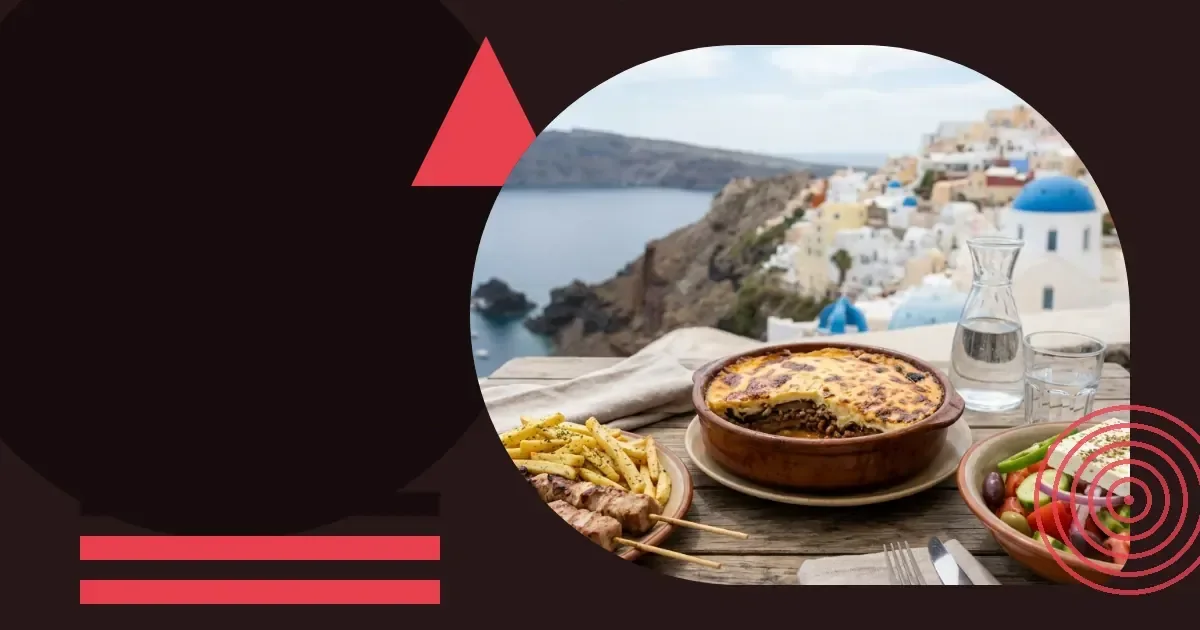
Moussaka layers meat, aubergine and béchamel, then bakes the dish until the top browns. The preparation is detailed but not as time-intensive as slow-roasted lamb. The middle ground in pricing reflects this.
Mince-based dishes and their position
Dishes using minced meat—such as keftedes or pastitsio—keep costs lower because the ingredient stretches further. The skill lies in seasoning and texture. A well-made keftedes, fried until crisp outside and soft inside, delivers more than its modest price suggests.
Meze and starters: small plates with big differences
Taramasalata, tzatziki and melitzanosalata are priced low because they rely on affordable base ingredients: fish roe, yoghurt, aubergine. The difference lies in how each is made. Taramasalata made from fresh cod roe costs more than the mass-produced version, and the lighter, fluffier texture shows the upgrade.
Saganaki—fried cheese—costs more than dips because the cheese itself (usually graviera or kefalograviera) is a premium ingredient. The dish is simple but effective, and the price is fair when the cheese arrives hot and unburnt.
Dolmades take time to roll by hand, especially when stuffed with rice, herbs and sometimes meat. A plate of six or eight dolmades at a mid-range price reflects the labour. Frozen dolmades are cheaper but lack the tight roll and fresh herb flavour of the kitchen-made version.
| Dish type | Why it costs more | Where to find value |
|---|---|---|
| Fresh whole fish | Daily sourcing, priced by weight, short shelf life | Smaller fish such as sardines or mackerel |
| Slow-roasted lamb | Hours of oven time, constant monitoring | Grilled souvlaki or gyros |
| Hand-rolled dolmades | Labour-intensive preparation | Dips made from staple ingredients |
| Fried saganaki | Premium cheese, immediate service | Horiatiki salad with good feta |
Salads and vegetables: when simplicity wins
Horiatiki—the village salad—offers strong value because it relies on fresh tomatoes, cucumber, onion, olives and a slab of feta. The ingredients are affordable, but quality varies. A horiatiki with soft tomatoes or bland feta is overpriced at any amount. One with ripe, firm tomatoes and creamy feta justifies its place on the menu.
Horta (boiled wild greens) costs little because the ingredient is foraged or grown locally. The preparation is straightforward: boil, drain, dress with olive oil and lemon. The price reflects this, and the dish pairs well with richer mains.
Spanakopita and other phyllo pies sit in the middle. The pastry requires skill to layer thinly, and the filling needs seasoning. A fresh spanakopita with crisp, buttery layers costs more than a reheated one, and the texture reveals which you've been served.
Desserts: where effort and ingredients separate options
Baklava demands precision. Each layer of phyllo must be brushed with butter, the nuts chopped finely, the syrup poured while the pastry is still hot. Good baklava is sticky without being soggy, sweet without being cloying. The price reflects both the ingredients—nuts, butter, honey—and the care taken in assembly.
Galaktoboureko, a custard pie wrapped in phyllo, requires a smooth semolina custard and careful baking. The egg-based filling costs more than a simple syrup-soaked cake, and the result is richer.
Loukoumades (fried dough balls) are inexpensive to make and often served warm with honey and cinnamon. The price is low, and the dish is filling. They offer clear value as a shared dessert.
When to choose each
Order baklava or galaktoboureko when sharing a meal and splitting the cost. Loukoumades work well for a solo diner or as a lighter finish.
Ordering for value: a sequence that balances cost
Start with one or two dips and bread rather than several meze plates. The dips cost less and leave room for a main dish. Choose grilled meat or a vegetable-based main if the budget is tight, or pick one seafood dish to share if the group can split the expense.
- Check whether fish is priced by weight or as a fixed portion. Ask before ordering to avoid surprises.
- Order souvlaki or gyros instead of slow-roasted lamb when speed and value matter more than complexity.
- Share one premium item—whole fish, saganaki, baklava—and balance it with simpler dishes.
- Ask whether the kitchen makes dolmades, spanakopita or taramasalata fresh. The answer tells you where the effort goes.
- Choose horiatiki over mixed salads. The ingredients are fewer, the flavour stronger and the price fairer.
What the kitchen prioritises and how to spot it
A restaurant that lists daily specials often sources ingredients fresh that morning. The specials reflect what arrived at the market, and the price adjusts accordingly. A static menu suggests reliance on frozen or pre-prepared stock, which keeps costs lower but reduces the connection between price and effort.
Watch which tables around you order whole fish or lamb. If the kitchen sends out these dishes frequently, the turnover is high and the quality more reliable. A dish that sits on the menu but rarely leaves the kitchen may not justify its cost.
Ask whether the phyllo pastry is made in-house or bought frozen. Homemade phyllo takes skill and time, and desserts or pies using it cost more for good reason. Frozen phyllo is serviceable but not special.
Timing and meal structure: when prices shift
Lunch menus at Greek restaurants sometimes offer smaller portions or fixed-price meals that include a main, side and drink. The value improves because the kitchen can prepare popular dishes in bulk. Evening menus are fuller but pricier, reflecting slower service and a broader choice.
Sharing several dishes between diners spreads the cost and lets the table try more expensive items without committing to a full portion. Meze-style eating suits this approach. Order plates in rounds rather than all at once, adjusting based on appetite and budget as the meal progresses.
If the menu lists a dish as "tis oras" (cooked to order), expect to wait longer and pay more. The kitchen prepares it fresh, and the price reflects the individual attention.
#Souvlaki #Moussaka #Grilled fish #Baklava
Download PDF: Greek restaurant value checklist PDF, 28 KB
Further reading
Frequently asked questions
Which Greek dishes offer the best value for money?
Souvlaki, gyros, horiatiki salad and dips such as tzatziki or melitzanosalata offer strong value because they use affordable ingredients and straightforward preparation. Grilled sardines and horta (wild greens) also cost less while delivering flavour.
Why does fresh fish at a Greek restaurant cost so much more than meat?
Fresh fish spoils quickly and must be sourced daily, often from coastal suppliers. Whole fish is priced by weight, and the kitchen's grilling skill determines whether the expense is justified. Smaller fish such as sardines or mackerel cost less and still taste excellent.
Is slow-roasted lamb worth the higher price at a Greek restaurant?
Slow-roasted lamb justifies its cost when the meat falls from the bone and carries deep flavour from hours in the oven. Dishes such as kleftiko require constant attention and time, which the price reflects. If the lamb is tough or dry, it is not worth paying extra.