Fresh ingredients at a Greek restaurant: what to watch before you order
 Save
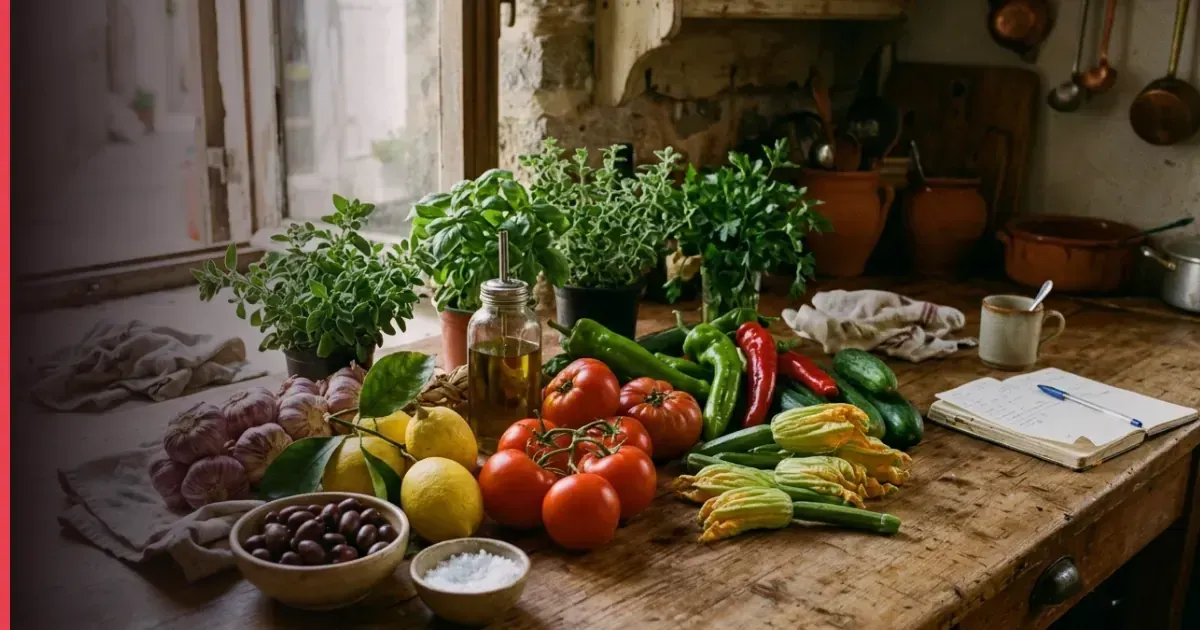
Fresh ingredients in a Greek restaurant announce themselves before the first mouthful. They show in a short menu, in bread warmed rather than unwrapped, and in vegetables that taste of a season rather than a chiller. This guide from Delphi Restaurant sets out the observations that separate a kitchen cooking from a kitchen reheating. Read it before you book, and you will order with more confidence than the menu alone can give you.
The short menu as a freshness signal
The clearest clue is the number of dishes rather than the length of the descriptions. A kitchen working with fresh produce has a limited day: fish arrives, vegetables come in, sauces get made, and all of it has to be sold before it turns. A menu that offers everything at every time of year is telling you something about the freezer. Look for a menu shorter than you expected, with a handful of dishes marked as today's.
A short menu is a working document, and it reads like one. Descriptions that name an ingredient, a village or a method say more than a list of sauces. Contrast helps here: a busy taverna with a chalked board and a few dishes reads very differently from a formal restaurant with a laminated book and a photograph of every plate.
Seasonal change on a working menu
A dish that disappears for part of the year and then returns has gone because its ingredients did. Ask what has just come in. A server who answers with a named vegetable, and points to a dish using it, is working in a kitchen that buys. A server who waves at the specials board without looking at it is telling you the board is decoration.
Bread, olives and the first impression
The table makes its statement before you order anything at all. Warm bread, decent oil and olives with some bite cost a kitchen very little and reveal a great deal. Bread that arrives cold and machine-sliced, with butter in a foil packet, suggests the kitchen has other priorities.
Salt and oil are worth a second look. A bowl of good olive oil poured for dipping is a different gesture from a crusted bottle left on the table since lunchtime. If the olives taste of nothing but brine, the rest of the shopping is probably done the same way. A pinch of oregano and a slice of raw onion on top cost almost nothing and show attention.
Warm bread and its short window
Fresh bread has a short life, and any kitchen that bakes or buys daily knows it. Ask whether the bread is made on site. "We bake it in the morning" and "it comes on the delivery" are very different sentences. Servers answer that question honestly when it is put plainly.
Fresh produce and the horiatiki test
A horiatiki is the simplest honest test on a Greek menu and the hardest to fake. It depends on tomatoes with flavour, cucumber with crunch, sweet onion, olives, oregano and a slab of feta rather than a scattering of cubes. If the tomatoes are pale and the cucumber is limp, nothing later in the meal is likely to be better.
Season counts for more than presentation. A tomato grown out of season tastes of water, wherever it was grown, so a menu that quietly drops tomatoes in winter is being more honest than one that keeps them all year. For a benchmark to hold in your head, our guide to the ingredients that define a horiatiki sets out what belongs on the plate.
Fish, charcoal and a working grill
Charcoal has a smell that a hotplate cannot copy, and in a small restaurant it carries through the room. Where grilled fish and octopus are on the menu, look for the grill itself, visible from the tables or audible from the kitchen. Fish laid out on ice and kept cold is a better sign than any description on the page.
The eyes and the smell of fresh fish
Fresh fish has clear eyes, red gills and a smell of the sea rather than of the counter. Ask to see it before you commit, because a kitchen proud of its delivery will bring it out. Octopus should be tender rather than rubbery, which points to a long braise before the grill.
Whole fish is also a portioning decision. A restaurant that sells fish by weight, and shows you the one it intends to cook, is treating the ingredient as something specific. Our guide to what to know before ordering fish covers the rest of the questions worth asking at the table.
Patience, garlic and the texture of a good dip
Tzatziki, taramasalata and skordalia all rely on preparation that resists shortcuts: yoghurt drained until thick, garlic crushed to a paste, potatoes worked while hot. Texture tells you more than taste alone. A dip that holds its shape on the spoon, and tastes sharp and clean, has been made recently and made with care.
Colour is a useful warning. Taramasalata that glows an even, bright pink has almost certainly met a dye, while the real thing sits between beige and pale rose. For the detail, see what taramasalata is made from.
Signs that a dip was made in the kitchen rather than bought in:
- it separates slightly as it stands, because nothing in it is holding it together
- the garlic or the roe tastes different from the last time you ordered it
- there is a little grain or body to it, not a smooth paste
- the portion is modest, because making it properly takes time
Seasonal vegetables beyond the salad
Horta, wild greens boiled and dressed with oil and lemon, gives a kitchen away faster than anything else on the menu. It should taste of the field and be dressed at the last minute rather than sitting in a tray. Dolmades should be soft, faintly sour from the vine leaf and clearly made by hand. Grilled vegetables should carry a char, which means they met a hot surface rather than a warm one.
If a restaurant lists a seasonal vegetable dish at all, order it and ask about it. Dishes that exist only while the produce does are the clearest evidence of a kitchen buying fresh, and they are the ones a cook is proudest of. A menu with no vegetables on it beyond the salad is worth a second thought.
Fresh plates and tired plates side by side
The same dish can arrive from two entirely different kitchens, and the difference is visible on sight. Use the comparison below as a quick reference at the table rather than as a rulebook.
| Dish | What fresh looks and tastes like | What tired looks like |
|---|---|---|
| Horiatiki | Tomatoes with scent, cucumber that snaps, feta in one slab | Pale tomato, watery juice, feta crumbled small |
| Grilled fish | Clear eyes, firm flesh, smoke rather than oil | Soft edges, heavy sauce, no smell of charcoal |
| Tzatziki | Thick, sharp, a little lumpy, cucumber grated not diced | Thin, sweet, uniform, watery at the bottom |
| Saganaki | Cheese that stretches, a crust from the pan, served at once | Rubbery middle, oil pooling, arrives lukewarm |
| Baklava | Crisp pastry, syrup added at the last moment, nuts you can taste | Soft layers, cloying syrup, a taste of the fridge |
Display cases and other theatre
A glass case by the door, a spit turning in the window, a chalked list of what arrived this morning: all of it is theatre until the plates match. Judge the kitchen by what reaches the table, and treat a display as an invitation rather than as proof.
Five checks to make on your next visit
None of this needs a clipboard or a scene. A few quiet observations, made while you settle in, will tell you more than a page of description. Order in stages, and let the first plates decide whether you go further.
- Read the menu before you sit down, and notice how many dishes it lists.
- Ask what came in today, and listen for a specific ingredient rather than a general answer.
- Look at the bread and the oil as they land, and judge the kitchen by what it gives away.
- Ask to see the fish if fish is what you came for, then order it by weight.
- Start with one dip, one vegetable dish and one grilled item before committing to anything larger.
A kitchen that cooks fresh will tell you happily what it has run out of. That answer is worth more than a long menu.
Good questions for a confident order
Asking is not fussy, and in a family-run taverna it can start the best conversation of the evening. Phrase the question around the food rather than around your suspicions.
- Which dish uses the vegetables that arrived this week?
- Is the bread baked here, and when?
- May I see the fish before it is cooked?
- What would you order yourself tonight?
A kitchen that welcomes questions is telling you it has nothing to hide about its shopping. A kitchen that deflects them has told you something too, and you can order accordingly.
This article is general information about Greek food and restaurant cooking, offered to help you enjoy a meal out.
Further reading
Frequently asked questions
How can I tell if a Greek restaurant uses fresh ingredients?
Start with the length of the menu, then watch what reaches the table: warm bread, tomatoes with flavour and a grill that smells of charcoal. Asking what came in that day is the fastest test of all, because the answer is either specific or it is not.
Does a long menu mean the food is not fresh?
A very long menu is a warning rather than a verdict, since no kitchen can buy fresh for every dish it lists. Ask which dishes are seasonal, and judge from the answer.
What is the quickest way to judge fresh produce at the table?
Order a horiatiki and one grilled dish, then read them before anything else arrives. Tomatoes and fish are difficult to fake and quick to judge.