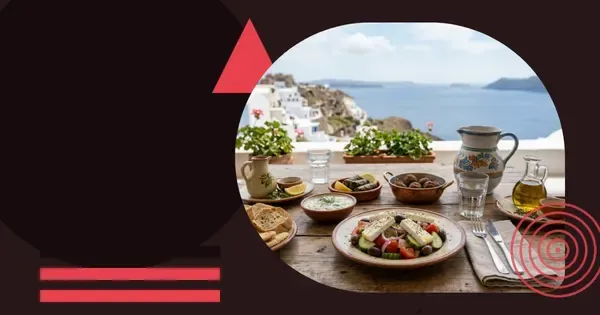
 Ordering Your Meal6 dishes to order at a Greek restaurant for the first time
Greece Restaurant
- Ordering Your Meal6 dishes to order at a Greek restaurant for the first time
 Dishes and IngredientsGreek restaurant desserts: 8 sweets worth trying after your meal
 Dishes and IngredientsGreek seafood restaurants: 5 things to know before you order fish
 Dietary NeedsVegetarian options at Greek restaurants: 6 dishes to order with confidence
 Dining CustomsGreek restaurant etiquette: 5 customs that shape the experience
 Choosing a RestaurantHow to spot an authentic Greek restaurant: 6 signs that matter
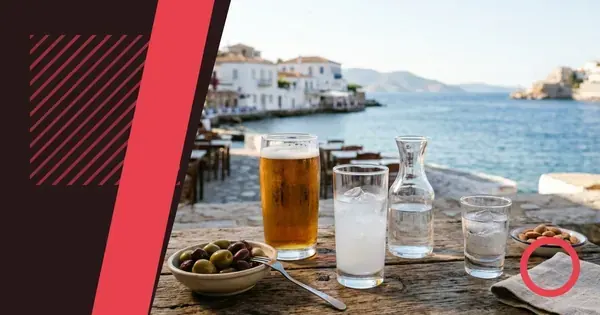
 Wine and DrinksWhat ouzo is and how to drink it: 5 traditions worth knowing
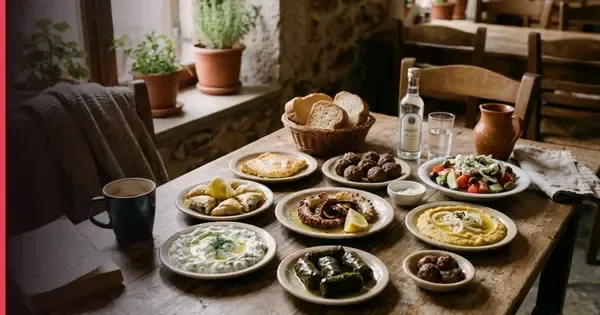 Dishes and IngredientsWhat is meze: your guide to Greece's small-plate tradition
Choosing a Restaurant



Dishes and Ingredients
Wine and Drinks

Start with the ingredients: olive oil pressed from groves that have fed families for generations, feta aged in brine, oregano dried under the Aegean sun. A Delphi Restaurant brings these foundations to the UK, where the flavours of the eastern Mediterranean meet the expectations of diners who want more than a meal—they want the experience of a taverna without the flight.
The essentials of Greek cooking
Greek food relies on simplicity. A tomato salad needs ripe tomatoes, good oil, and nothing to hide behind. Meat is grilled over charcoal, fish is baked whole with lemon, vegetables are dressed rather than drowned. The cuisine values the ingredient over the technique, which means sourcing matters more than elaboration.
Meze is the social architecture of a Greek meal. Small plates arrive in waves—tzatziki, taramasalata, dolmades, grilled octopus—and the table shares them. It slows the meal down and turns eating into a conversation. A meze spread typically includes five to eight dishes, though the count matters less than the variety: something pickled, something grilled, something creamy, something sharp.
Core ingredients and their roles
Olive oil is the base of nearly every dish. Extra virgin, cold-pressed, and used generously—not as a finishing touch but as a primary flavour. Feta cheese appears in salads, pies, and baked dishes; its saltiness cuts through richness. Yoghurt is strained until thick, then mixed with cucumber and garlic to make tzatziki or served alongside grilled meat.
Herbs are used fresh and dried. Oregano goes on everything from salads to roasted lamb. Dill appears in pies and with fish. Mint is folded into meatballs and rice. The balance between them defines regional styles—coastal kitchens lean on dill and parsley, mountain villages favour oregano and thyme.
| Ingredient | Common uses | What it brings |
|---|---|---|
| Extra virgin olive oil | Dressings, marinades, cooking base | Fruity depth, richness |
| Feta cheese | Salads, pies, baked dishes | Salt, tang, creaminess |
| Greek yoghurt | Tzatziki, sauces, desserts | Acidity, cooling contrast |
| Oregano | Grilled meats, salads, marinades | Earthy, slightly bitter warmth |
| Lemon | Fish, grilled meats, dressings | Brightness, acidity |
Preparing classic dishes at home
Moussaka layers sliced aubergine, spiced lamb mince, and béchamel sauce, then bakes until the top turns golden. The aubergine is often salted and left to drain before cooking, which removes bitterness and stops it absorbing too much oil. Each layer should be distinct but not separate—the dish holds together when sliced.
Souvlaki is marinated meat—pork, chicken, or lamb—threaded onto skewers and grilled. The marinade usually includes olive oil, lemon juice, garlic, and oregano. The meat is cut into equal-sized pieces so it cooks evenly, and the skewers are turned frequently to avoid charring one side while leaving the other pale.
Timing and temperature
Greek cooking often uses moderate heat for longer periods rather than fierce heat for short bursts. Stews simmer gently, allowing flavours to merge. Roasted vegetables are baked until soft and slightly caramelised. Even grilled meat benefits from resting after it comes off the heat, which lets the juices redistribute.
Pastry for spanakopita or tiropita is brushed with melted butter or oil between each sheet of filo, then baked until crisp. The filling—spinach and feta for spanakopita, cheese for tiropita—should be cool before it goes into the pastry, otherwise the layers become soggy. The assembled pie is scored into portions before baking, which makes serving easier and helps the top brown evenly.
Common pitfalls and how to avoid them
Oversalting is the most frequent mistake. Feta, olives, capers, and anchovies all carry salt, so taste before adding more. A Greek salad dressed with olive oil and a pinch of oregano often needs no additional salt at all if the feta is generous.
Using the wrong olive oil flattens the dish. Refined or bland oil loses the fruity, peppery notes that Greek cooking relies on. For dressings and finishing, extra virgin is essential. For high-heat cooking, a lighter olive oil works, but even then, the quality should be above the supermarket's cheapest shelf.
- Check the ripeness of tomatoes before making horiatiki—underripe tomatoes lack sweetness and make the salad taste thin.
- Rest grilled meat for a few minutes after cooking so it stays juicy when sliced.
- Warm pitta bread just before serving; cold bread feels heavy and doesn't fold around fillings properly.
- Taste tzatziki after it has sat for half an hour—the garlic intensifies, and you may want to add more yoghurt to balance it.
Ingredient substitutions that hold up
Halloumi can replace feta in cooked dishes where you want the cheese to hold its shape, though it lacks feta's crumble and tang. Spinach can stand in for wild greens like horta, though the flavour is milder. Lemon juice and a little white wine vinegar together mimic the brightness of fresh lemon when you have run out.
For dill, fennel fronds work in a pinch, especially with fish. If Greek yoghurt is unavailable, strain regular yoghurt through muslin overnight to thicken it. The result will not be identical, but it will do the job in tzatziki or as a sauce base.
Choosing and pairing wines
Greek wines are underrated outside the country. Assyrtiko, a white grape from Santorini, has a minerality that suits seafood and salads. It is crisp without being sharp, and it holds up to the saltiness of feta and olives. Agiorgitiko, a red grape from the Peloponnese, produces wines with soft tannins and red fruit flavours—pair it with lamb or grilled meats.
Retsina, a white wine flavoured with pine resin, divides opinion. It has a distinct medicinal note that either complements oily fish and fried foods or overwhelms them, depending on your palate. If you are trying it for the first time, serve it chilled and pair it with something robust like grilled sardines or fried courgette.
Non-alcoholic pairings
Greek coffee—strong, unfiltered, sweetened to taste—follows a meal rather than accompanying it. During the meal, water is standard, sometimes with a slice of lemon. Homemade lemonade, slightly tart and not too sweet, works with meze. Avoid overly sugary drinks, which clash with the savoury, olive-oil-rich flavours of the food.
Setting and serving a Greek-style meal
Greek dining is communal. Plates go in the centre of the table, and everyone helps themselves. There is no formal course structure—meze, mains, and sides arrive as they are ready, and the meal unfolds over hours rather than being timed to the minute.
Bread is present throughout the meal, used to scoop dips and mop up sauces. It should be warm and soft inside with a crust that gives way easily. If you are serving pitta, brush it with olive oil and warm it in the oven rather than microwaving it, which makes it rubbery.
- Set out small plates and forks for meze, allowing guests to take portions as dishes arrive.
- Bring bread to the table first, along with olive oil for dipping.
- Serve cold dishes like salads and dips while hot dishes are finishing in the kitchen.
- Place grilled meats and fish on large platters rather than plating individually, so people can choose their portions.
- Offer lemon wedges with everything—guests can squeeze as much or as little as they like.
Regional variations across Greece
Island cooking leans heavily on fish and seafood. Octopus is grilled after being tenderised by boiling, then dressed with olive oil and lemon. Squid is stuffed with rice, herbs, and tomato, then baked. The Cyclades use capers and purslane, which grow wild on the islands and add a sharp, slightly salty note to salads.
Mainland Greece favours meat and mountain vegetables. Lamb is slow-roasted with potatoes and oregano, and game like hare or wild boar appears in stews. Northern regions near the Bulgarian and Turkish borders show those influences—more spices, more yoghurt-based sauces, more layered pastries.
Cretan and Peloponnesian styles
Crete produces some of the finest olive oil in Greece, and Cretan cooking reflects that. Dakos—a barley rusk topped with chopped tomatoes, feta, and olive oil—is a staple. The island also makes extensive use of wild greens, snails, and soft cheeses like mizithra.
The Peloponnese is known for citrus and olives. Kalamata olives come from here, as does much of the country's honey. Dishes are simpler and less spiced than in the north, relying on the quality of the raw ingredients rather than elaborate preparation.
Where to go next
Visit a Greek delicatessen to source ingredients you cannot find in supermarkets—aged feta, quality olive oil, dried oregano that still smells like the hillside. Many cities in the UK now have at least one Greek or Cypriot grocer, and they will often advise on what to buy.
Try cooking one dish at a time rather than attempting a full spread immediately. Master tzatziki and a simple salad, then move on to grilled meat or a baked dish. Greek food rewards repetition—you will notice the difference between good olive oil and great olive oil, or between feta that crumbles and feta that melts, only after you have cooked the same dish several times.
If you are in the UK and want to eat rather than cook, look for restaurants that grill over charcoal and make their own dips. The smell of charcoal and oregano is a reliable indicator. Ask what the fish of the day is—if they can tell you where it came from, you are in the right place.
Frequently asked questions
What makes Greek yoghurt different from regular yoghurt in cooking?
Greek yoghurt is strained to remove most of the whey, making it thicker and creamier with a higher protein content. In cooking, it holds up better in sauces without splitting and provides a richer texture in dishes like tzatziki. Regular yoghurt can work if you strain it yourself overnight through muslin.
How do you stop aubergine from absorbing too much oil when frying?
Salt the sliced aubergine and leave it to drain for half an hour before cooking. The salt draws out moisture and collapses the spongy structure, which reduces oil absorption. Pat the slices dry before frying or grilling. Some cooks also brush the aubergine with oil and bake it instead of frying, which uses less oil altogether.
Can you prepare spanakopita in advance without the pastry going soggy?
Assemble the pie completely, then refrigerate it unbaked for up to a day. Bake it straight from the fridge, adding a few extra minutes to the cooking time. Freezing works even better—wrap the unbaked pie tightly and freeze for up to three months, then bake from frozen. Do not refrigerate or freeze a pie that has already been baked, as the pastry loses its crispness.
What is the best way to reheat leftover moussaka?
Reheat moussaka in the oven at a low temperature, covered with foil to prevent the top from drying out. A microwave works in a pinch but can make the béchamel layer rubbery. If the moussaka has been refrigerated, bring it to room temperature for twenty minutes before reheating so it warms evenly.
How do you know when grilled octopus is tender enough?
Octopus needs to be boiled first until a knife slides easily into the thickest part of the tentacle, which usually takes forty to sixty minutes depending on size. After boiling, it can be grilled quickly over high heat to char the outside. If you grill it without boiling, it will be tough no matter how long you cook it.
Is it necessary to use Greek feta, or will any feta work in traditional recipes?
Greek feta is made from sheep's milk or a sheep-and-goat blend, and it has a creamier, more crumbly texture with a distinctive tang. Feta from other countries may be made from cow's milk and can taste milder and less complex. For dishes where feta is a central flavour—like horiatiki or spanakopita—Greek feta makes a noticeable difference. For melted or baked applications, the distinction matters less.